A Lifelong Journey
The Story of Petra Rosnick Peace
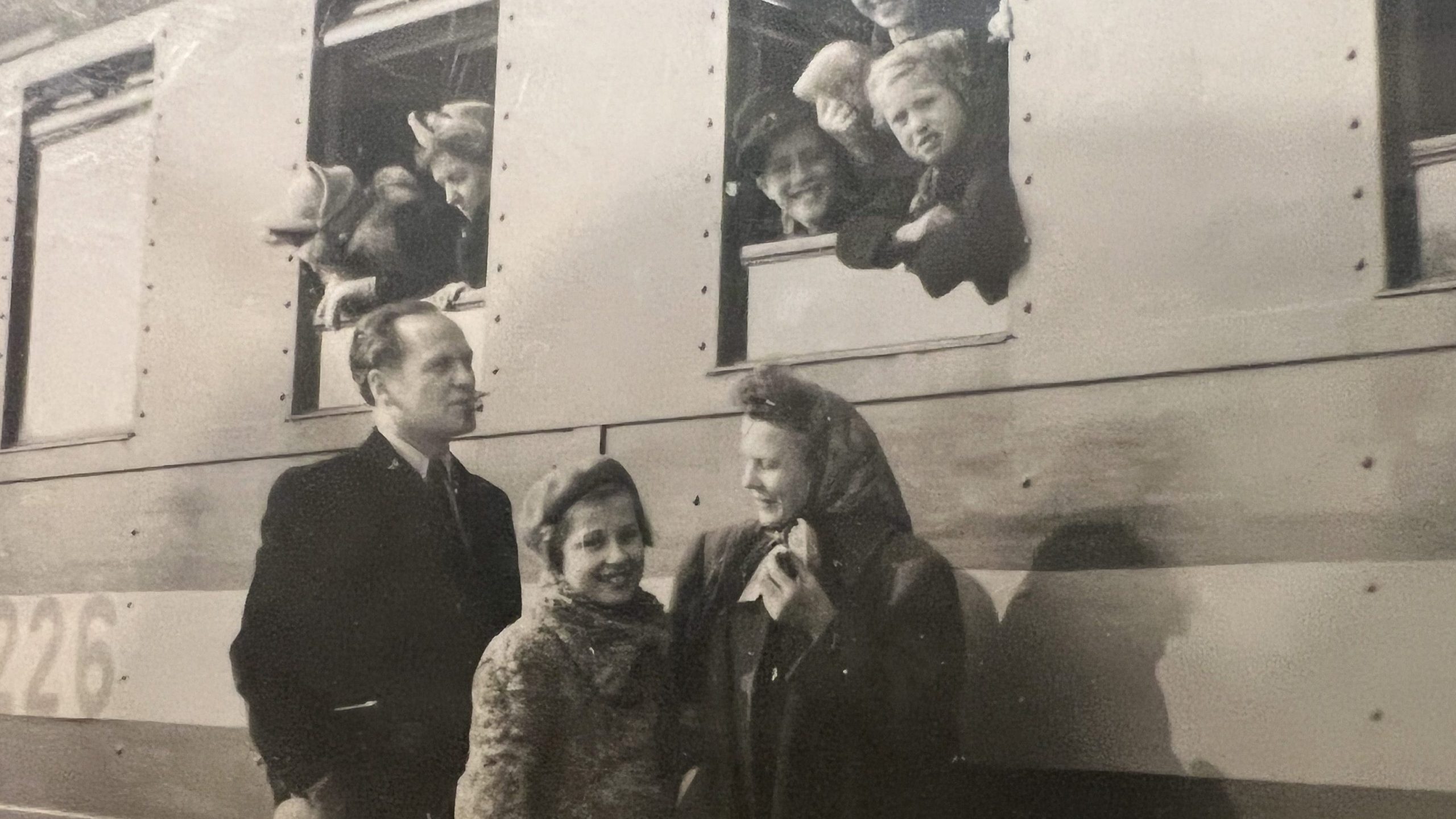
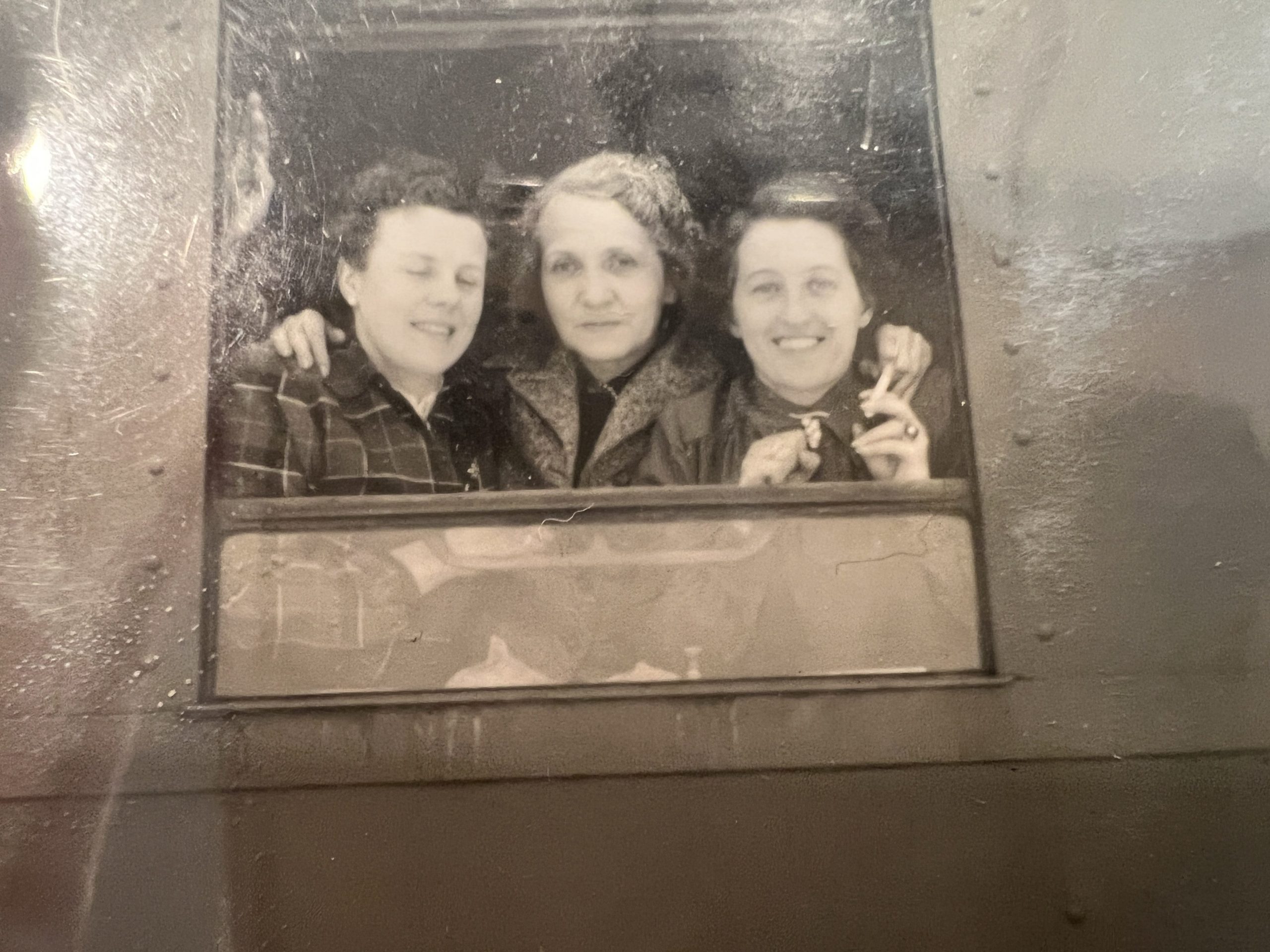
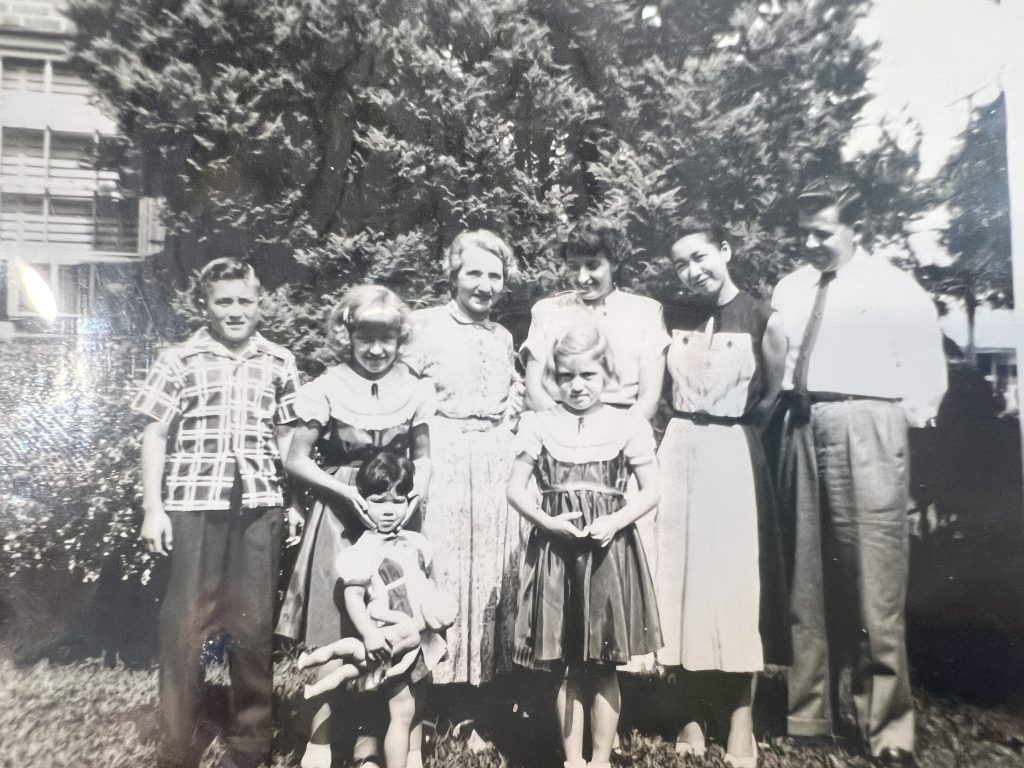
Petra Peace was born in 1944 at the end of World War II, in Kruneschburg, Germany. The beginning of her life was marked by constant movement. When she was a small child, her family was forced to flee Kruneschburg for nearby Passau, due to the Russian invasion of her hometown. She remembers long hours spent on trains, looking out the window at unfamiliar places along a wartorn countryside. Her father, who had been conscripted to serve in the army, was serving time in a Russian prison camp. In many ways, it was a time of great isolation.
“I remember a lot of long train rides. As I got older, before we ended up in Passau, it was hard for both my grandmother and my mother to be able to survive and feed us.”
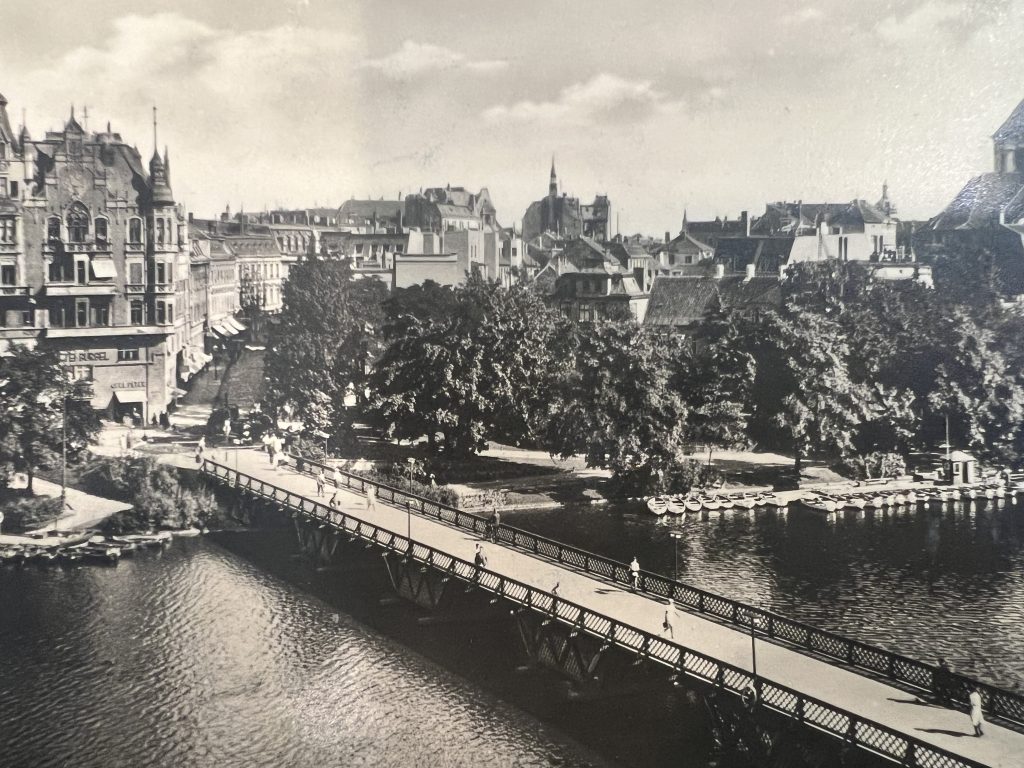
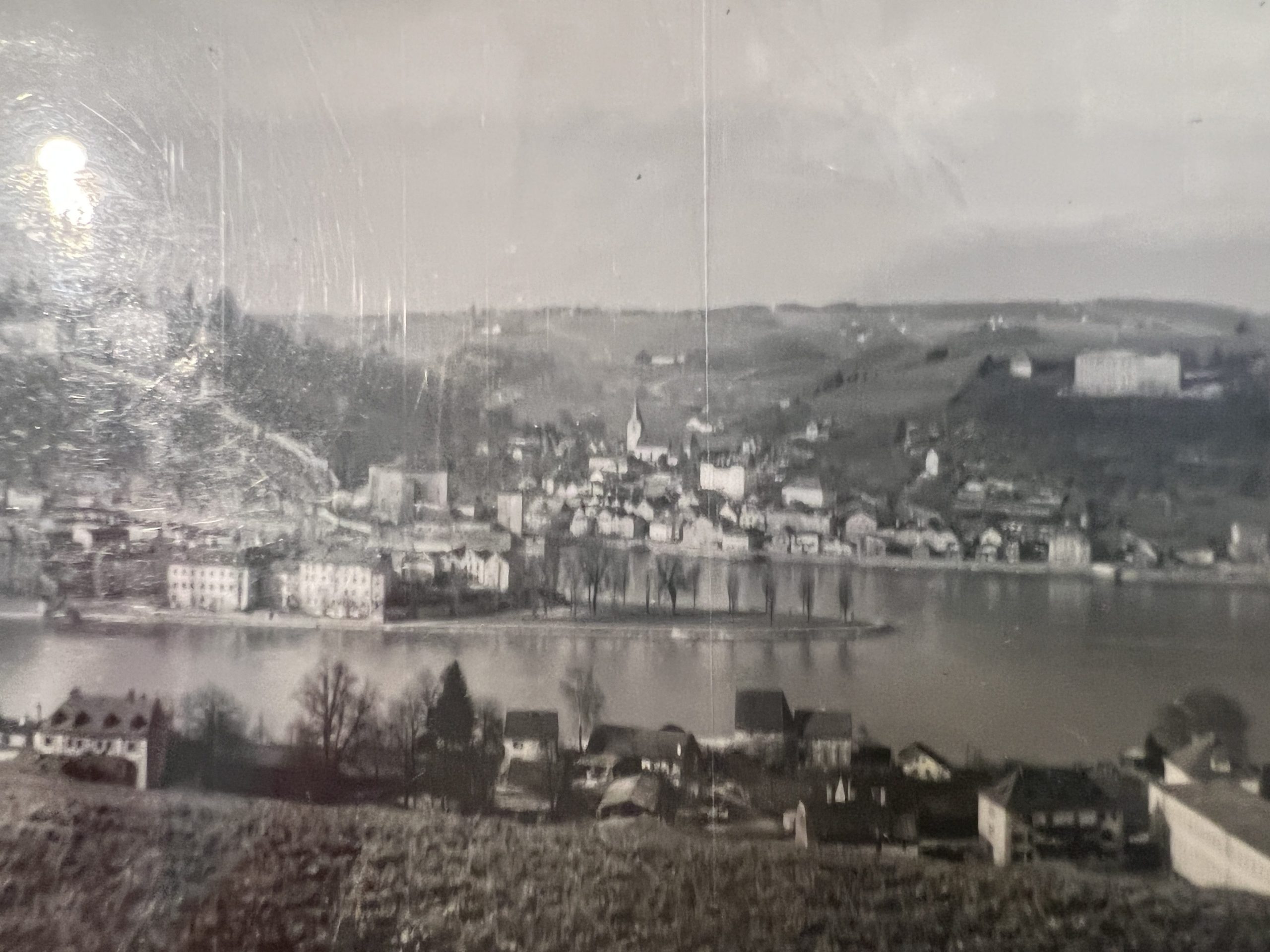
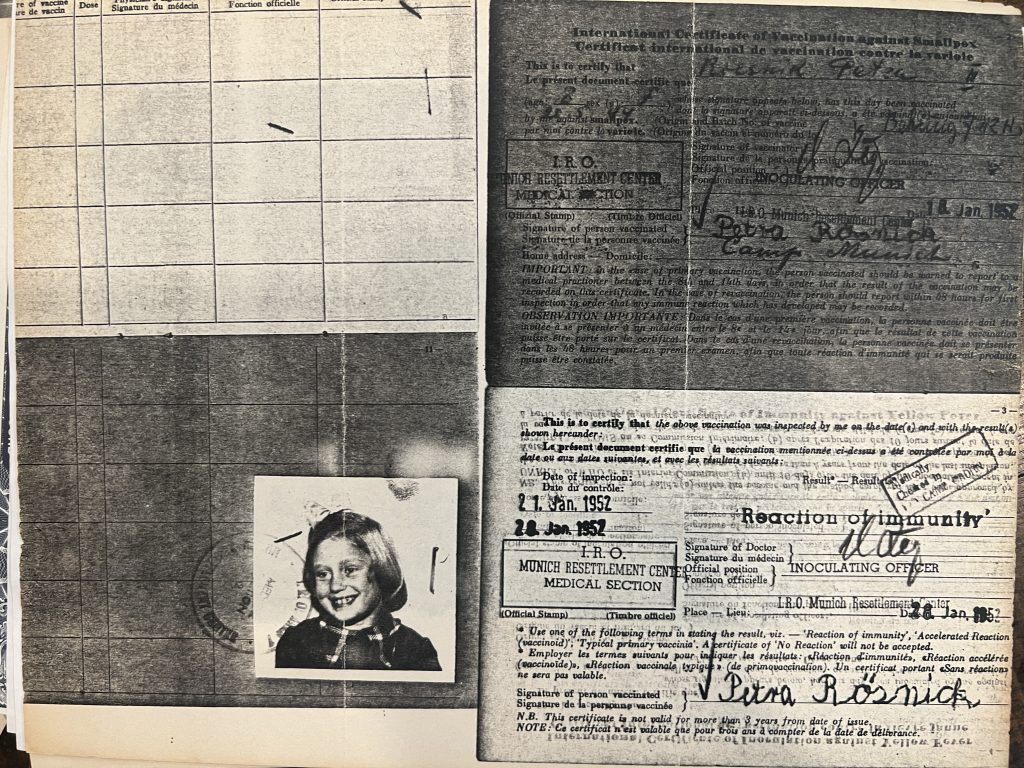
Eventually, Petra’s father was released from prison and her family was reunited. Her mother spoke English fluently — a skill that made her an in-demand translator for American soldiers, and allowed her to foster strong relationships with them. Eventually, she was able to use these relationships to get the family immigration documents and a foster family in the United States. They were going across the ocean.
The Journey
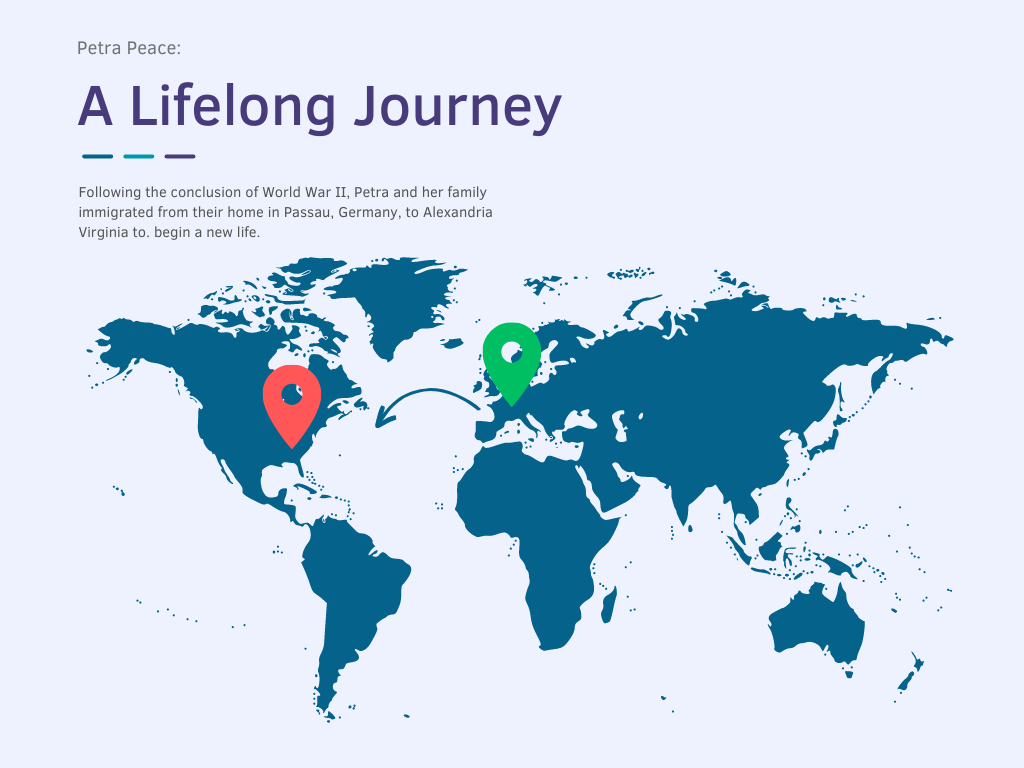
In 1952, the Rosnick family packed up their remaining items and boarded a boat set for the port of New Orleans. After traveling 4,000 miles across the Atlantic Ocean and arriving in the U.S., they learned that their sponsorship had been dropped, and they began to scramble to find a new family to sponsor them. Luckily, a family in Alexandria, Virginia volunteered and they boarded yet another train bound for their new lives.
“They were looking fast and furiously for a new sponsor for my parents. We ended up in a hotel for either one or two nights before they found someone. We ended up on another train, and we ended up in Alexandria, Virginia.”
The Destination
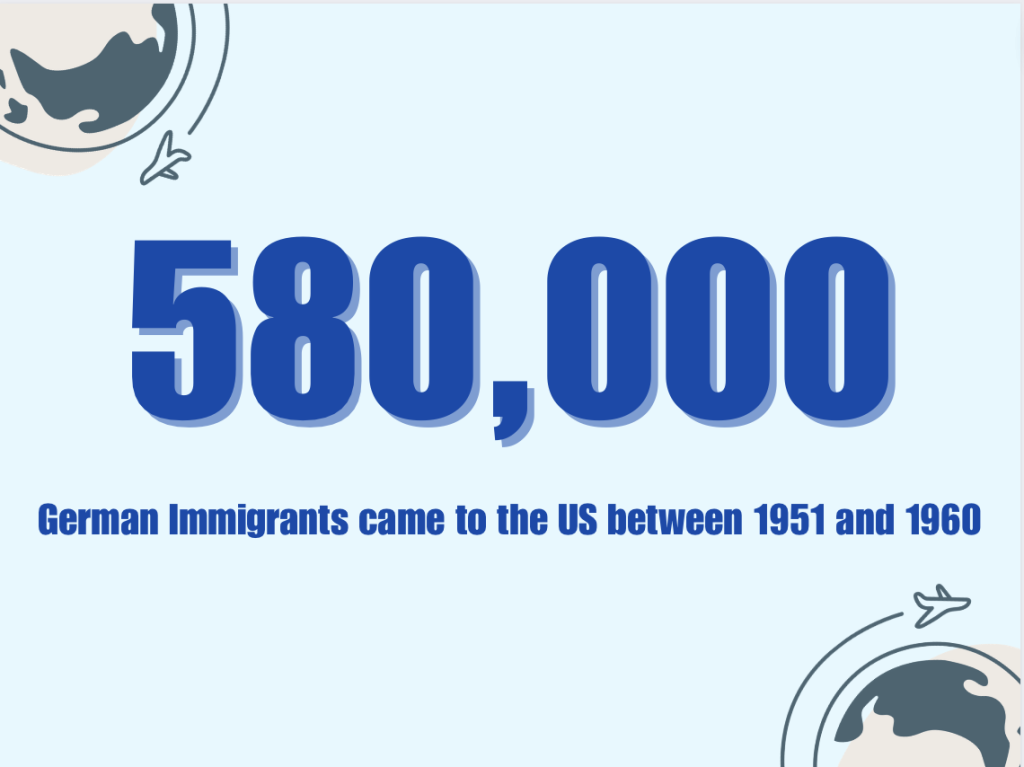
When Petra arrived in the United States, as one of almost 600,000 German Immigrants in the 1950’s, there were many challenges she had to face. The culture was different — she had to speak only in English both at home and in school which led to her completely losing her ability to speak German. She adapted though, and the more normal life became in the U.S., the less connected she felt to her country of birth and the relatives she had left behind.
A Reflection
“I’d like to find out more. I don’t know where my grandmother, my mother’s mother, I don’t know where she’s buried. Or my dad’s mom, I don’t know where they’re buried. And if I ever find out, then I fully intend to go back over there and just go look.”
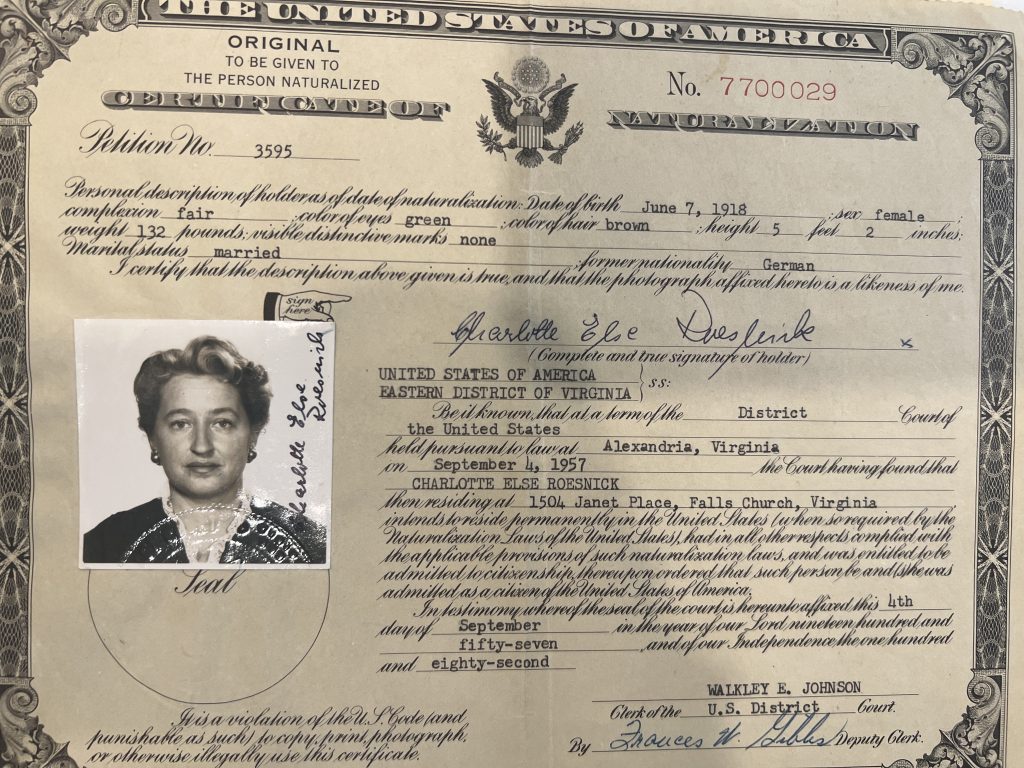
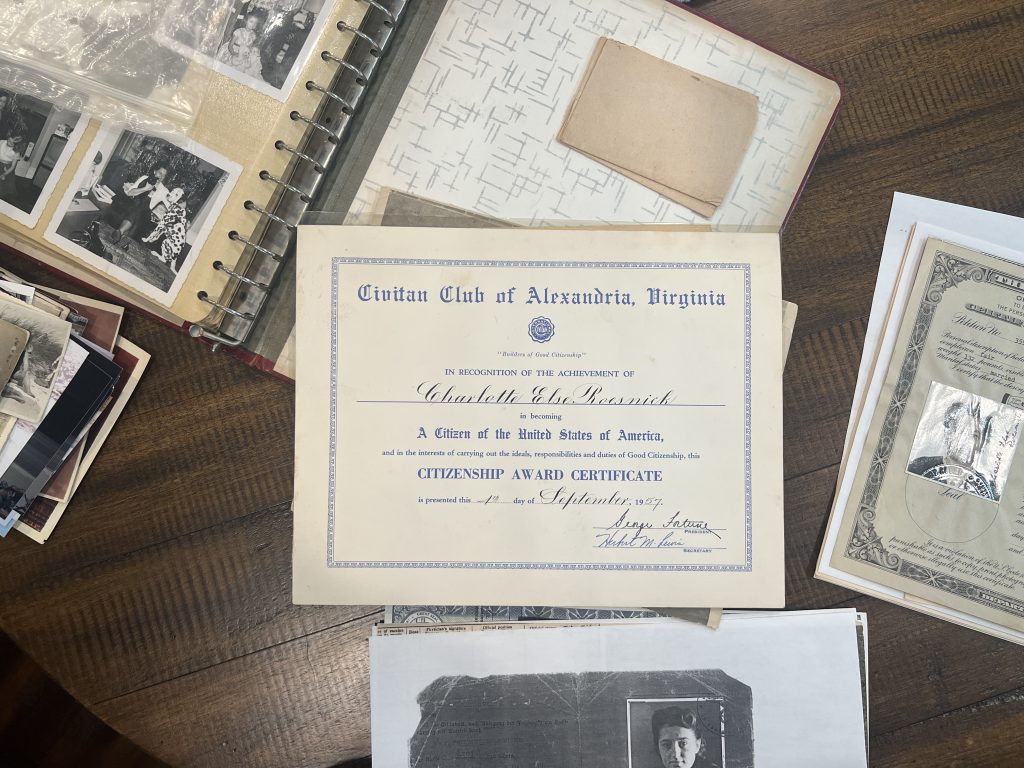
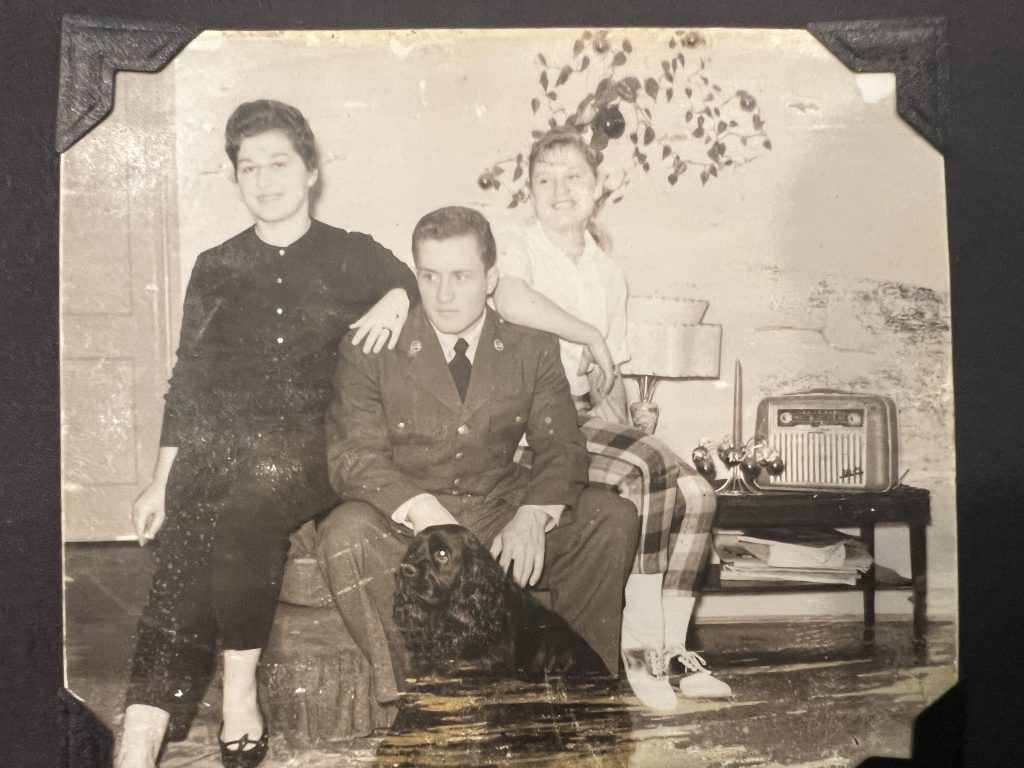
It took a little while, but the Rosnick’s settled in to life in America. Petra’s father got a job at a construction company in DC and she attended school, eventually graduating, gaining citizenship, and marrying an American pilot. But she still wonders about her life in Germany, and family members she left behind. That’s the one thing she wants: closure about what happened to her loved ones that she was removed from due to the war.
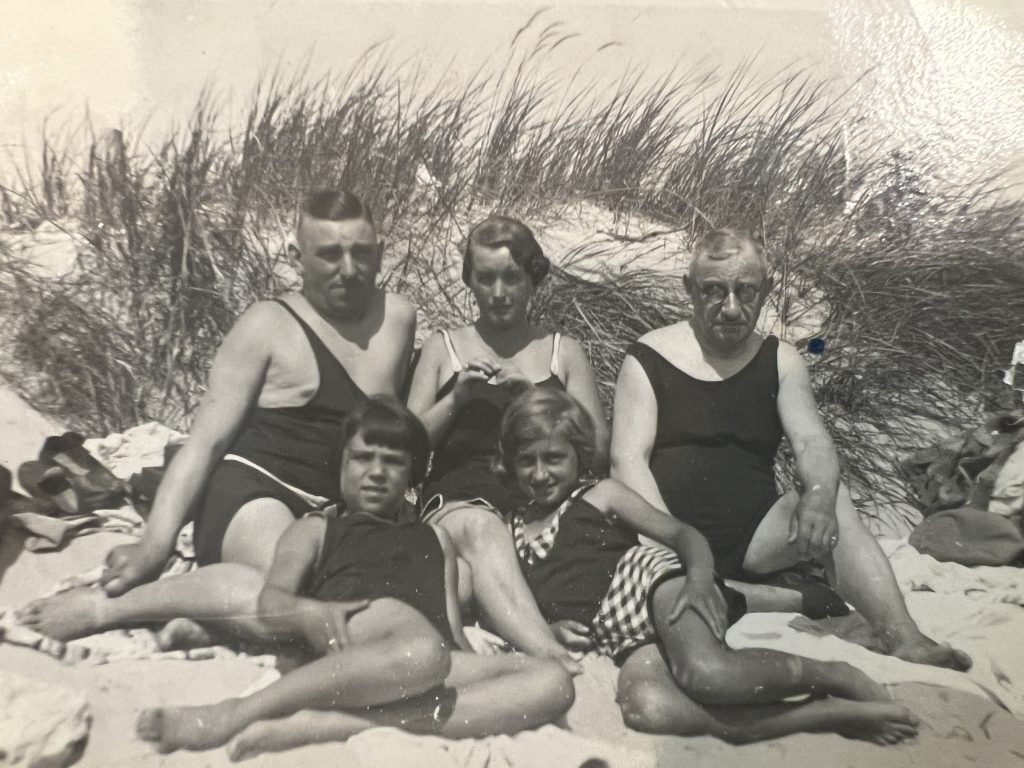
“Before the war. They had a good living. They had a beautiful house. In the summertime, everybody took off for a month and went to the ocean. And so they had a good life when they were younger. And then when we came to America, they ended up with a good life here, too.”
Looking Ahead
Currently, Petra resides in Durham, North Carolina. She now feels more American than German — due to having lived the vast majority of her life in the United States. Almost all of her major life events have happened here —she graduated high school, got married, had kids, and later watched her children get married and have their own kids. But she still feels like a little piece of her past is missing. Because of this, she hopes to return to Germany in the near future to attempt to answer some of her long-standing questions about her heritage.
Video Project
Why this story?
After World War II, thousands of families were displaced. This left many, especially young children, without a strong sense of identity. Furthermore, there was a strong culture of assimilation for German immigrants to the United States, due to swirling anti-German sentiments in the post-war political climate. This caused many to lose touch with their roots, and suppress their backgrounds. I think that it is important to give these people — people like Petra — the space to talk about their lives and reconnect with the past. It’s time to tell those children’s stories — before it’s too late.
Citations: